
Retail POS and payments that keep the line moving
Inventory, barcode scanning, customer profiles and in-store plus online sales, with processing priced so you can actually read it.
What retail stores need
Inventory management
Track stock by item, size and variant, with low-stock alerts and purchase orders.
Barcode scanning
Ring up fast, cut errors and keep counts accurate.
In-store and online
Sell online and in store from one catalog and one set of reports.
Customer profiles
Save customers, track purchase history and run simple loyalty.
Every way to pay
Chip, tap, mobile wallets and gift cards.
Clear processing costs
Interchange-plus pricing or a compliant dual pricing program.
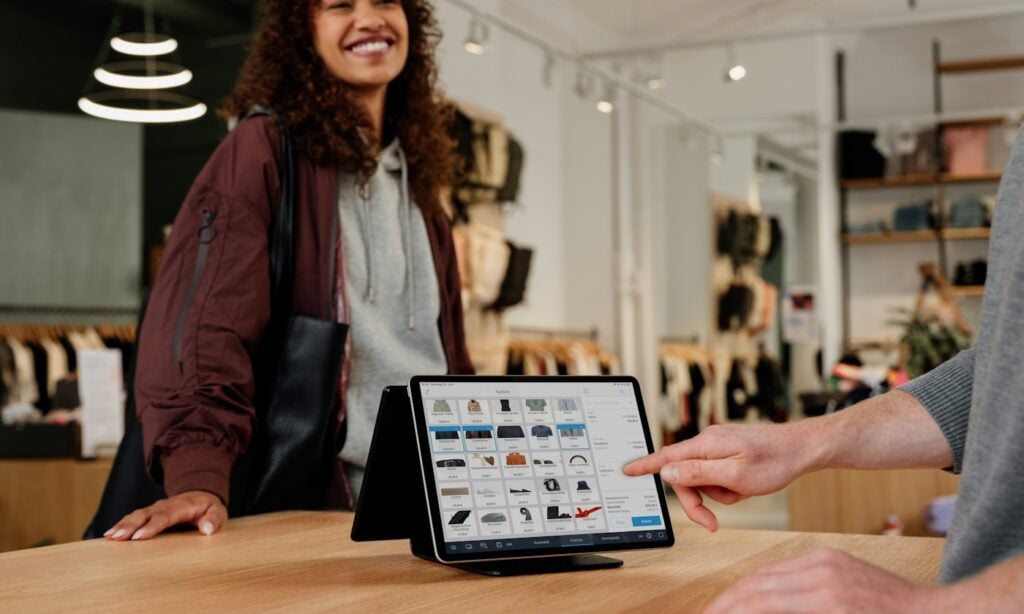
Picking a retail POS
For most stores, the deciding factors are inventory depth and whether you sell online. Clover and Square suit many small and mid-size shops; larger catalogs may need more robust inventory tools. We’ll match the system to how many items you carry and how you sell.
Where retailers overpay
Small average tickets mean per-transaction fees matter as much as percentages. A flat-rate plan that looks simple can cost more than interchange-plus once you’re processing steady volume. An audit shows you which applies.
Compare costs across your checkout channels
Keep in-store and online transactions separate when comparing quotes, and include software, hardware and recurring account charges. A low percentage may mean little without the per-transaction fee and your average basket size. Review card processing pricing models, then use our merchant statement guide to establish a consistent baseline.
Planning a new checkout or replacing equipment? Our guide to retail POS installation quotes explains what to include for inventory migration, equipment, training and launch testing.
What a small ticket really costs to process
In retail, the average sale is often modest, so the fixed part of each card fee carries more weight than most owners expect. A 10-cent transaction fee on a $15 sale is already two-thirds of a percent before the percentage rate is added. When you compare quotes, look at both numbers together, using your own average ticket.
Inventory you can trust
Inventory is where retail POS systems differ most. A clothing store needs sizes and colors as variants of one item. A gift shop needs fast barcode scanning and low-stock alerts. A store that also sells online needs one catalog shared between the counter and the website, so an item doesn’t sell twice.
- Variants for size, color and style without duplicate items
- Barcode scanning and label printing for faster receiving and checkout
- Low-stock alerts so best sellers don’t run out
- Purchase orders and vendor tracking for stores that reorder often
- One catalog shared across in-store and online sales
Turning one-time shoppers into regulars
Customer profiles let you see what a regular buys, send them a receipt by email or text, and run simple loyalty rewards. You don’t need a complicated marketing system; even knowing who your top fifty customers are can shape what you stock and when you run a sale.
Returns, exchanges and gift cards
A good retail setup makes returns quick and accurate. Look up the original sale, refund it to the same card, and put the item back in inventory in one step. Gift cards sold at the counter or online bring in revenue up front and bring customers back through the door.
Busy seasons without the slowdown
During the holidays or a big sale weekend, a second checkout station or a handheld device for line-busting can be the difference between a sale and a walkout. We’ll help you plan hardware around your busiest days, not your average day.
Covering the cost of cards
Some retailers choose dual pricing to offset processing costs, showing a cash price and a card price on the shelf and receipt. Others prefer simple, transparent interchange-plus pricing. We’ll show you the numbers both ways using your actual statement.
Moving from your current system
We’ll import your product list, set up taxes and staff permissions, and train your team before the switch. Your store keeps selling the whole time.
Reports that answer real questions
The best retail reports answer the questions you already ask: what sold this week, what isn’t moving, which hours are busiest, and which employee rang up which sales. When those answers are a tap away, you can schedule staff around real traffic, mark down slow items before they become dead stock, and reorder best sellers with confidence.
Selling online and in store
If you sell online, a connected online store keeps your catalog, prices and inventory in sync. Customers can buy online and pick up in store, and every sale lands in the same reports as your counter. Even a small online catalog can bring in sales on days the store is closed.
Questions retail owners ask us
Can I import my existing inventory? +
Do you support online stores? +
Can I keep my barcode scanner and printer? +
What about gift cards? +
Is your store overpaying?
Send last month’s statement and get a line-by-line answer within 24 hours, free either way.
Get my free statement audit →Prefer to talk? (800) 962-5908 — yes, a person answers.